

AWP Labs · Power
Storage & solar sizer
Size battery storage for hours of autonomy and a solar array to cover a share of daily energy, for a treatment plant, pump station or remote site.
Your inputs
How long the battery carries the load with no grid and no sun.
Results
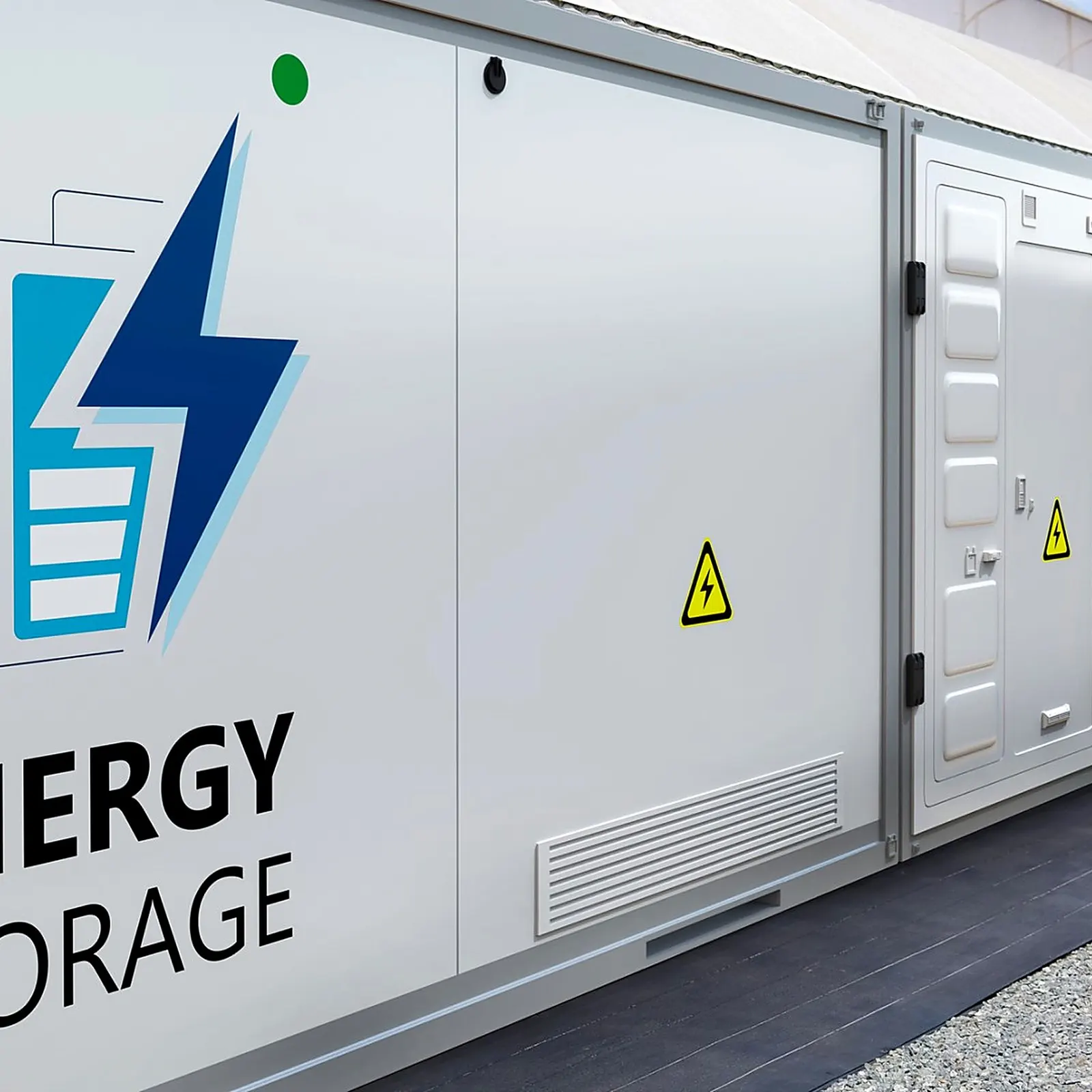
Battery storage
1,481kWh nameplate
Delivers 1,200 kWh over 8 hours at 150 kW
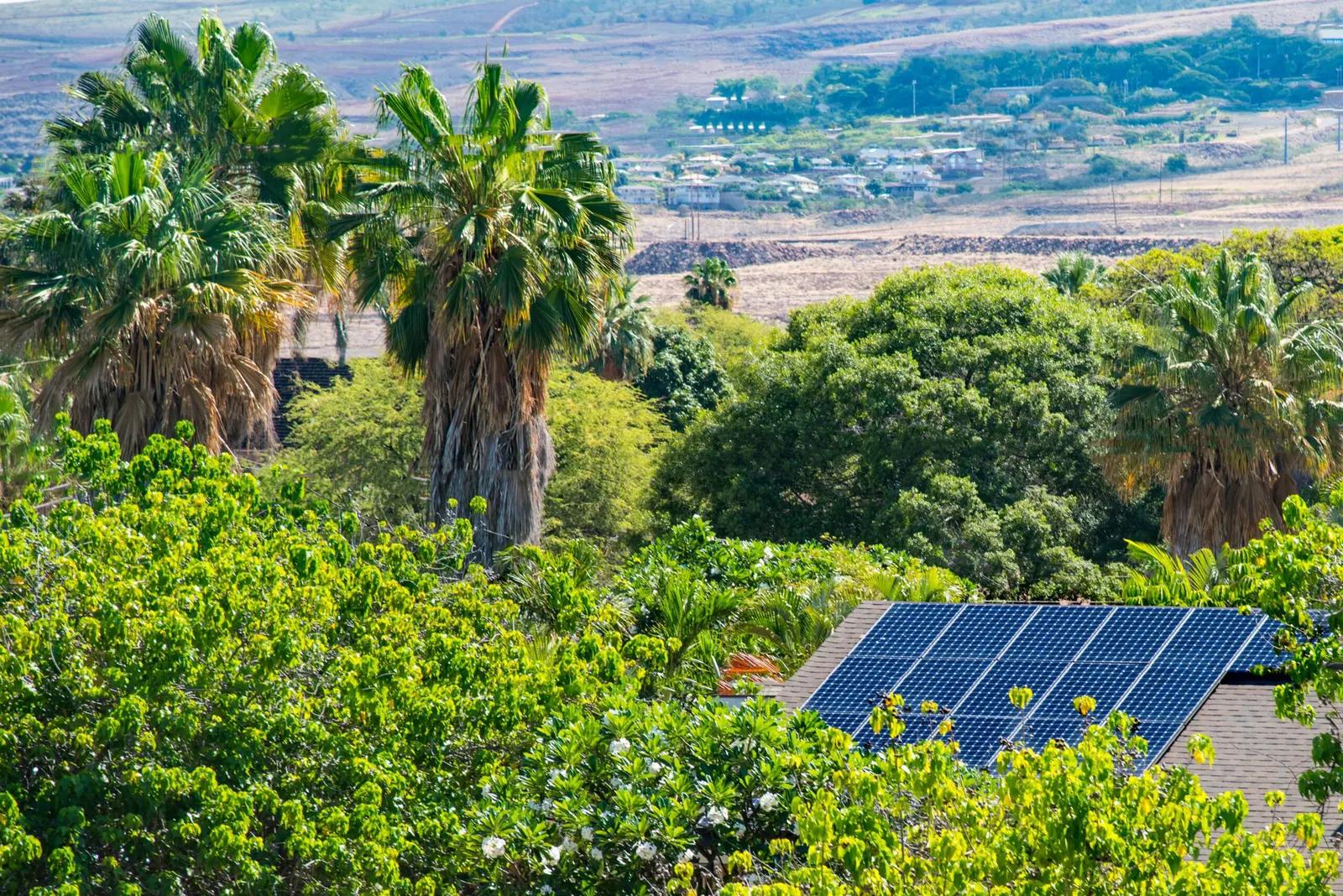
- Solar array
- 491kW DC
- 2,160 kWh/day
- Inverter rating
- 275kW
- peak load + 25%
- Generator output
- 275kW
- peak load + 25%
- Daily energy use
- 3,600kWh
- Storage duration
- 9.88h
- energy ÷ average load
- Solar to load ratio
- 3.27×
- Annual solar yield
- 788MWh
A typical day
Midday solar exceeds the load, so the surplus charges the battery for the evening and night.
How this is calculated
Battery. Nameplate kWh = Load (kW) × Hours ÷ (Depth of discharge × Round-trip efficiency).
Solar. Array kW = Daily kWh × Solar share ÷ (Peak sun hours × Derate).
Inverter. Sized at 125% of peak load so it can start motors without tripping.
Generator. The standby generator is sized the same way, at 125% of peak load. State rules generally require standby power at a wastewater plant.
Assumptions
- The critical load is constant around the clock.
- Battery nameplate allows for depth of discharge and round-trip losses.
- Solar sizing uses annual average sun hours, so winter output will be lower.
- A first pass. Microgrid design also models load profiles, weather years and generator dispatch.
A preliminary estimate for planning. AWP confirms every figure against your water, site and permit before quoting.
More tools
All Labs toolsDesign. Build. Deliver. Support.
Ready to turn the estimate into a design?
Share your numbers with an AWP engineer. We will confirm the sizing and come back with a price and a schedule.