The challenge
AI data centers are on track to use up to one trillion liters of water annually by 2030.The innovation
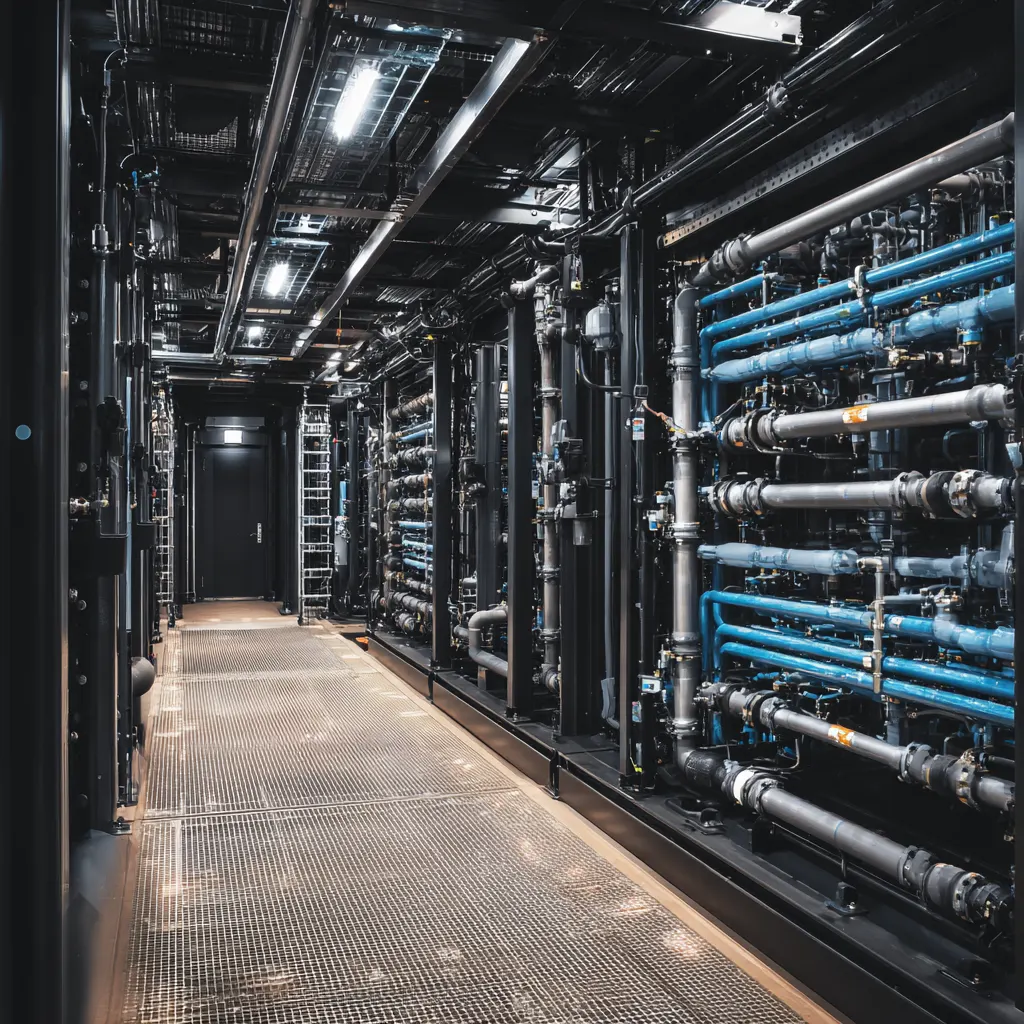
AWP’s modular systems pair biological (MBBR) and membrane (RO) technologies to recover high-grade reuse water.The impact
Reuse can cut freshwater withdrawals, decarbonize cooling, and strengthen municipal resilience.Water is the hidden constraint behind AI’s growth
AI’s expansion depends on water-intensive cooling drawn from stressed aquifers and municipal systems. Research projects U.S. data centers could exceed one trillion liters of annual water use by 2030, with up to 40% of facility power spent on cooling.
A forgotten reuse blueprint returns
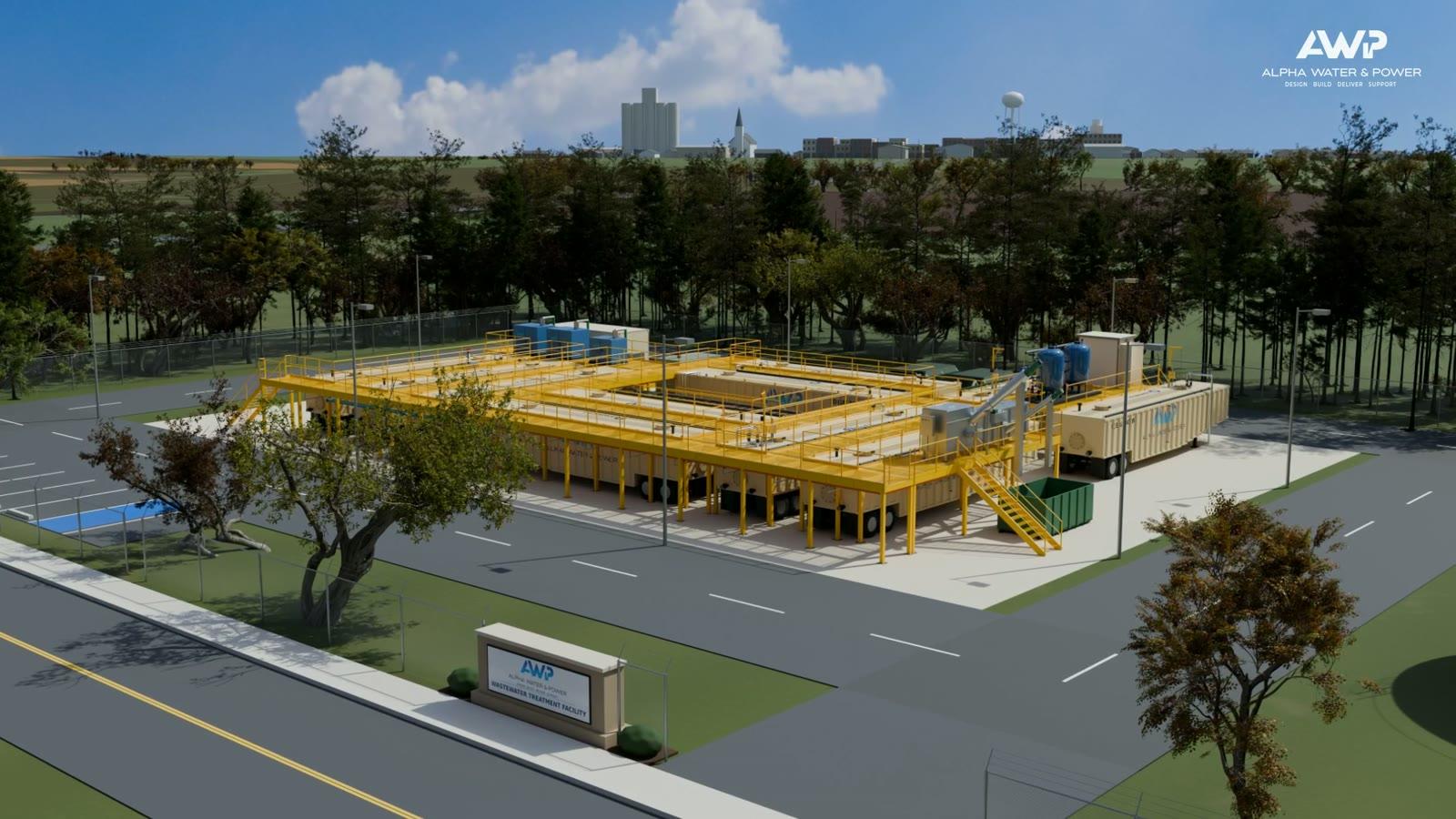
More than thirty years ago, AWP engineers developed compact, high-rate treatment trains to recover water directly from municipal sewers. Originally built for heavy manufacturing, the approach now fits hyperscale cooling needs.
How Sewer Reuse Works
| Stage | Technology | Purpose |
|---|---|---|
| 1. Primary Screening & DAF | Dissolved Air Flotation | Removes oils, solids, and scum using microbubbles and skimming. |
| 2. MBBR Reactor | Moving Bed Biofilm Reactor | Biological treatment that reduces BOD and COD through biofilm carriers. |
| 3. Membrane Filtration & RO | Reverse Osmosis | Removes suspended solids and salts for near-distilled output. |
| 4. Disinfection | UV or Ozone Disinfection | Eliminates pathogens without introducing secondary chemicals. |
| 5. Optional ZLD | Zero-Liquid-Discharge Crystallization | Achieves 95–98% water recovery with minimal brine waste. |
Key takeaway: Reuse trains can draw from sewers or secondary effluent and directly supply data-center cooling loops in a closed configuration.
The energy–water nexus reshaped
Every kilowatt of compute generates heat; every degree of cooling consumes water; and every treated gallon consumes energy. Localized sewer reuse breaks this amplification cycle by minimizing conveyance energy and stabilizing supply.
Global reuse frameworks are accelerating
- The U.S. EPA’s Water Reuse Action Plan (WRAP) recognizes reclaimed wastewater as a renewable resource.
- The EU’s Directive 2020/741 sets standards for fit-for-purpose reuse in cooling, irrigation, and industry.
- Municipal–industrial partnerships can monetize discharge reductions and resource recovery via public–private reuse projects.
From Sewage to Silicon
Co-locate modular data centers with municipal works: reclaimed effluent—treated and monitored through AWP systems—feeds cooling towers; recovered server heat supports district heating. The result: a resilient circular economy for water and energy.